

Last Updated: October 27, 2026
Quick Summary
Common apartment turnover mistakes include starting work before the move-out inspection, scheduling trades without a sequence, and replacing parts that only need repair. Each one adds days of vacancy and avoidable cost. Most can be prevented with a written checklist, a fixed order of work and clear documentation.
- Run the move-out inspection and photograph damage before any labor begins.
- Write the trade sequence down and share it with every vendor before booking.
- Repair worn components with small parts before replacing entire fixtures.
- Test every bathroom repair for leaks and drain flow before closing out the unit.
Table of Contents
Every day a unit sits empty costs money, and most property managers feel that cost in the rent roll long before they see it in a report. Small, avoidable errors can stretch a turn from a few days into a few weeks. A missed step here, a parts run there, and the unit that should have been rent-ready by Thursday is still waiting on a faucet the following Tuesday.
The good news is that these mistakes are predictable. Once you know where they tend to happen, you can build a process that catches them before they cost you a week of vacancy. This guide walks through eight of the most common apartment turnover mistakes to avoid, what each one costs, and how to prevent it.
We have kept the advice practical. Each mistake includes the consequence and a concrete fix your team can start using on the next move-out.
Mistake 1: Starting Work Before the Move-Out Inspection
Many teams start repairs the same day the resident hands over keys. That feels efficient, but it often means the crew is working from an incomplete picture of what the unit needs. Damage that appears only after the resident has left can be missed, and work that gets done too early can be undone by later findings.
Run the move-out inspection first, document the findings with dated photos, and build the work order from that record. A short inspection before any labor starts keeps the scope accurate and protects your deposit documentation at the same time.
Mistake 2: Scheduling Trades Without a Sequence
Booking a painter, a plumber and a cleaner on the same morning rarely works. The painter needs the bathroom fixtures out of the way, the cleaner needs the paint dry, and the plumber needs access to the wall that the painter has already sealed. When trades arrive out of order, they wait on each other or undo each other's work.
Write the sequence down before you book anyone. If you are planning several bathroom repairs across units, see how bundled pricing can simplify ordering and coordination. A typical order runs from repairs that touch walls and plumbing, to painting, to deep cleaning, to final inspection. Share that order with every vendor so each one knows when the unit will be ready for them.
Mistake 3: Replacing Parts That Only Need Repair
Replacing a whole fixture is faster in the moment, but it is often the more expensive choice. A worn cartridge, a loose handle or a failing flapper can frequently be repaired with a small part for a fraction of the cost of a new unit. Replacing everything also means more parts to stock and more ways for the install to go wrong.
Before ordering, ask whether the failure is in one component or in the whole assembly. You can compare what repair kits cost against full replacements before you decide. A repair kit suited to that specific problem is a starting point.
Mistake 4: Relying on Memory Instead of a Written Checklist
Experienced turnover staff carry a lot in their heads, but memory fails under pressure. The smoke detector battery, the blinds, the exhaust fan cover and the closet shelf all get missed when a turn is rushed. Each omission can trigger a callback or a failed inspection.
A written checklist, kept for each unit type, turns that knowledge into a repeatable process. Use it at move-out, during work, and at final walkthrough. Print it, or keep it on a shared device, and have the person doing the final check sign off on each line.
Mistake 5: Ignoring Security Deposit and Damage Documentation Deadlines
Deposit disputes often come down to paperwork. Many states set specific deadlines for returning deposits and for itemizing deductions, and missing those deadlines can expose a landlord to penalties even when the damage was real. Vague notes like "bathroom needs work" will not hold up if a resident contests the charges.
Photograph each room at move-out and again after repairs. Keep an itemized list of damage with the cost of each repair attached. Confirm the deadlines that apply in your state with your local housing authority or a qualified attorney, and calendar them the day the resident moves out.
Mistake 6: Letting Bathroom Repairs Cause Callbacks
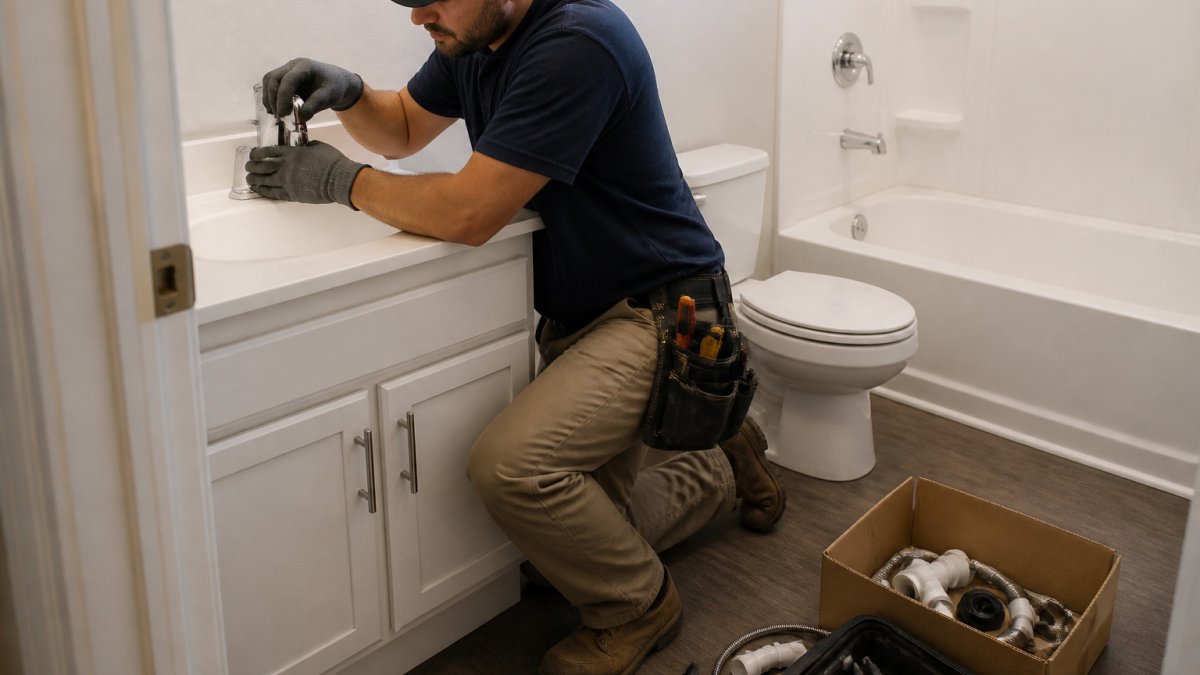
A bathroom that looks finished can still generate a callback within days if a connection was not tightened correctly, a seal was not cured or a valve was not tested under pressure. Each callback pulls a technician back into a unit that should already be closed out, and it pushes the next resident's move-in date.
Test every repair before the unit leaves your hands. For step-by-step guidance on doing a sink drain replacement correctly the first time, see that guide. Run water, check for drips at each connection, and confirm that drains clear and flush. Standardized, OEM-grade parts can match the existing fixture. A parts kit holds everything needed for one job.
Mistake 7 and 8: Weak Communication and No Turnover Metrics
Turnover delays often trace back to communication gaps. The leasing team does not know when the unit will be ready, the vendor was never told about a change in scope, and the owner hears about the delay only when the rent check is short. Tenants moving in on schedule depend on every party knowing the same date.
Set a single point of contact for each turn and send a short daily status update to the people who need it. Tell vendors the order of work and the target completion time in writing.
Measurement is the other half of the fix. Without numbers, it is hard to tell whether a change helped. Track a few core figures for every turn: for more ways to keep residents from leaving in the first place, read these resident retention strategies.
| Metric | What It Shows | How to Use It |
|---|---|---|
| Days vacant | Total time from move-out to move-in | Spot trends across buildings |
| Turn duration | Days from move-out to rent-ready | Compare crews and unit types |
| Callback rate | Repairs reopened within 30 days | Flag installation quality issues |
| Cost per turn | Labor, parts and cleaning combined | Control spending and budget |
Review these numbers monthly. A unit that consistently takes longer than the rest can point to a specific process gap.
Start with one or two of these changes on your next move-out, and measure the difference over a month. Treat each turn as a process to refine, not a one-off scramble.
Frequently Asked Questions
What are the most common apartment turnover mistakes?
The most common errors are starting repairs before the move-out inspection is complete, booking trades without a set sequence, replacing parts that could be repaired, and relying on memory rather than a written checklist. Teams also miss deposit and damage documentation deadlines and skip post-turn metrics. These errors can affect the turnover process. Fixing the sequence and documenting each step are practical steps to consider.
How long should an apartment turnover take?
Turnover time varies with unit size, the amount of cleaning, and how many trades are involved, so a single universal number is not reliable. Many property teams track days from move-out to ready-for-leasing as a baseline and then work to reduce it. The most useful benchmark is your own history by unit type. Compare each turn against that baseline, and note which delays came from scheduling, parts availability, or inspection gaps.
What should be inspected before a new resident moves in?
Before move-in, confirm that plumbing, fixtures, locks, smoke and carbon monoxide detectors, appliances, flooring, and paint all meet your standard. Test the bathroom sink and tub drainage, check that caulk and grout are sealed, and verify that water shutoffs work. Photograph the unit against the move-out condition report. Any open item should be closed or logged before keys are released.
How can property managers control apartment turnover costs?
Start by separating repairs from replacements in your move-out report so that salvageable items are not swapped out by default. Set a parts budget per unit type and buy the common items in bulk. Keep a list of approved vendors with posted rates. Track cost per turn over time so that outliers are visible. Pricing for supplies depends on quantity, delivery terms, and current vendor rates, so request a quote before committing to a volume plan.
